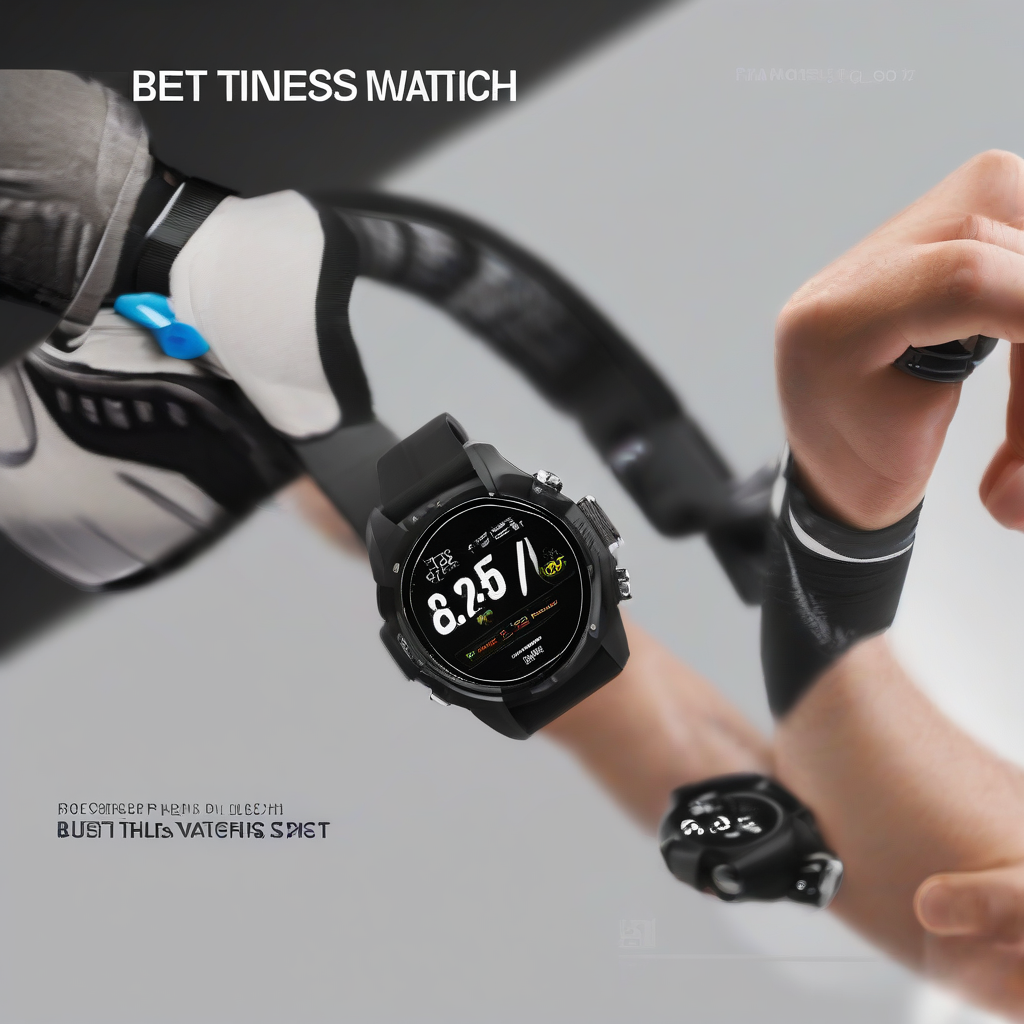
1. Clarify your primary workout focus
Before you even look at a single product spec sheet, take a honest look at how you spend your active hours. Are you logging daily miles on the pavement, churning out laps in the local pool, or lifting heavy weights at the gym? Your main activity dictates the hardware requirements you cannot live without. For instance, an affordable fitness watch for running focuses heavily on pace accuracy, stride metrics, and lightweight comfort over long distances.
Many buyers make the mistake of purchasing a bulky tactical adventure watch when they really just need a sleek daily runner. If your routine changes constantly, look for versatile profiles that let you switch between cycling, yoga, and strength training with a single tap. Knowing your exact use case immediately weeds out half the distractions on the market.
2. Check for onboard mapping and route tracking
If your workouts regularly take you away from the treadmill and out into the open world, mapping features are absolute game-changers. You want to look specifically for top rated fitness trackers with GPS that can lock onto satellite signals quickly without leaning on your smartphone. This means you can leave your phone at home, head out for a trail run or bike ride, and still get a precise map of your exact route when you get back.
Keep in mind that continuous GPS tracking is notorious for draining battery life faster than almost any other feature. Check user reviews to see how well the device holds a charge during long outdoor sessions so you aren't left stranded with a dead screen miles from home. A strong, reliable signal lock saves you from inaccurate distance pacing and frustrating signal drops under heavy tree cover.
3. Prioritize water resistance ratings for aquatic sports
Water resistance is not a one-size-fits-all specification, and assuming a device is waterproof just because it handles sweat can lead to a ruined gadget. If swimming is a core part of your cross-training, you need the best waterproof fitness tracker for swimming that explicitly details lap counts, stroke recognition, and SWOLF scores. Look for a rating of at least 5 ATM or a true swim-proof certification that withstands continuous pressure underwater.
A major pitfall to avoid is wearing a leather or cloth band into the pool, which degrades quickly and traps moisture against your wrist. Stick to silicone or fluoroelastomer straps that dry instantly and secure tightly during flip turns. Testing the water seal integrity right after purchase gives you peace of mind before you dive into deep water.
4. Evaluate daily wellness and recovery metrics
Modern wearables do far more than just count steps during a brisk walk around the neighborhood. The best smartwatches for health monitoring 2026 go deep into your physiological data, tracking resting heart rate variability, skin temperature trends, and deep sleep stages. These continuous health insights help you figure out when to push your body hard and when to take a mandatory rest day.
Don't get overwhelmed by fancy charts that you won't actually look at on a Tuesday morning. Focus instead on whether the companion smartphone app presents this data clearly with actionable advice rather than raw, confusing numbers. Consistency is key here, so the device must feel comfortable enough to wear overnight without waking you up.
5. Test the battery longevity and charging speed
Battery anxiety is a very real thing when you rely on a gadget for alarms, workout logs, and continuous health tracking. You want to find a sweet spot where you aren't tethered to a wall charger every single night. Some sleek display models demand daily refueling, while rugged multisport builds can easily push past a week on a single charge.
Check the fast-charging capabilities if you do happen to let the battery run completely dry before a morning workout. A quick fifteen-minute top-off that gives you enough juice for a full hour-long run is a lifesaver for busy schedules. Balance your desire for a bright, high-resolution screen against the reality of how often you are willing to plug it in.
6. Assess display legibility under direct sunlight
A gorgeous screen means nothing if you cannot read your pace while running under the glaring midday sun. Look for AMOLED or transflective displays that adjust brightness automatically depending on your immediate environment. Transflective screens actually become clearer the brighter the sun gets, making them a favorite for outdoor enthusiasts.
Touchscreens are convenient indoors, but they can become frustratingly sluggish or unresponsive if your fingers are wet, sweaty, or covered in running gloves. Having a mix of physical buttons and touch controls gives you the best of both worlds when you are moving fast. Always test out the menu navigation in bright lighting conditions if you can visit a physical retail store first.
7. Review companion app usability and data sync
The wrist hardware is only half the equation when you are investing in a fitness ecosystem. A clunky, poorly designed smartphone app will quickly turn your new wearable into an expensive paperweight. Look for platforms that sync seamlessly via Bluetooth without constantly dropping connection or requiring manual reboots.
Take time to explore whether the brand locks essential data behind a mandatory monthly subscription paywall. Many manufacturers now charge extra just to see your detailed sleep analysis or advanced training readiness scores. Buying a device with robust free core features usually saves you a lot of buyer's remorse down the road.
8. Confirm ecosystem compatibility and notifications
Unless you want to completely disconnect during your workouts, smart notification management is a handy feature to have on your wrist. Being able to quickly glance at incoming text messages, calendar alerts, or phone calls keeps you connected without pulling out your phone every two minutes. Make sure the wearable pairs smoothly with your specific smartphone operating system, whether you use iOS or Android.
Keep in mind that deep reply capabilities vary wildly depending on the brand and your phone type. If you plan to control your workout music directly from your wrist, check for onboard storage or reliable media controls. A well-integrated ecosystem makes daily wear feel effortless rather than annoying.
9. Balance styling, weight, and band comfort
Comfort dictates whether you will actually keep the device on your wrist twenty-four hours a day. A heavy stainless steel case might look sharp in the office, but it will bounce around uncomfortably during a high-intensity interval training session. Look for lightweight titanium or reinforced polymer builds if you prioritize all-day wearability.
Interchangeable bands let you switch up your aesthetic from a sweaty gym session to a casual night out in seconds. Avoid bands with rough edges or cheap clasps that irritate your skin after hours of friction. Your wrist will thank you when you find a fit that you genuinely forget is even there.
10. Weigh the upfront cost against long-term value
Price tags in the wearable market range from dirt-cheap impulse buys to luxury investments that cost as much as a high-end smartphone. You do not necessarily need the most expensive flagship model on the market to reach your personal fitness goals. Determine your hard budget first, then filter for features that meet your absolute must-have requirements.
The best fitness watch 2026 for you is the one that fits your budget while delivering reliable data you can trust week after week. Read independent user reviews to ensure the hardware holds up well against drops, sweat, and daily wear over several years. Smart shopping means paying for the tools you will actually use instead of paying for flashy extras gathering dust.
The Verdict
Choosing the right wearable ultimately comes down to matching your personal workout habits with the features that actually move the needle for your health. If you are ready to make a choice, start by picking your top two non-negotiable features—like built-in GPS or multi-day battery life—and let those guide your final purchase. Don't overpay for advanced metrics you won't use, but don't skimp on core build quality either. Grab your ideal tracker, set up your profile, and take the first step toward a healthier, more active routine today.