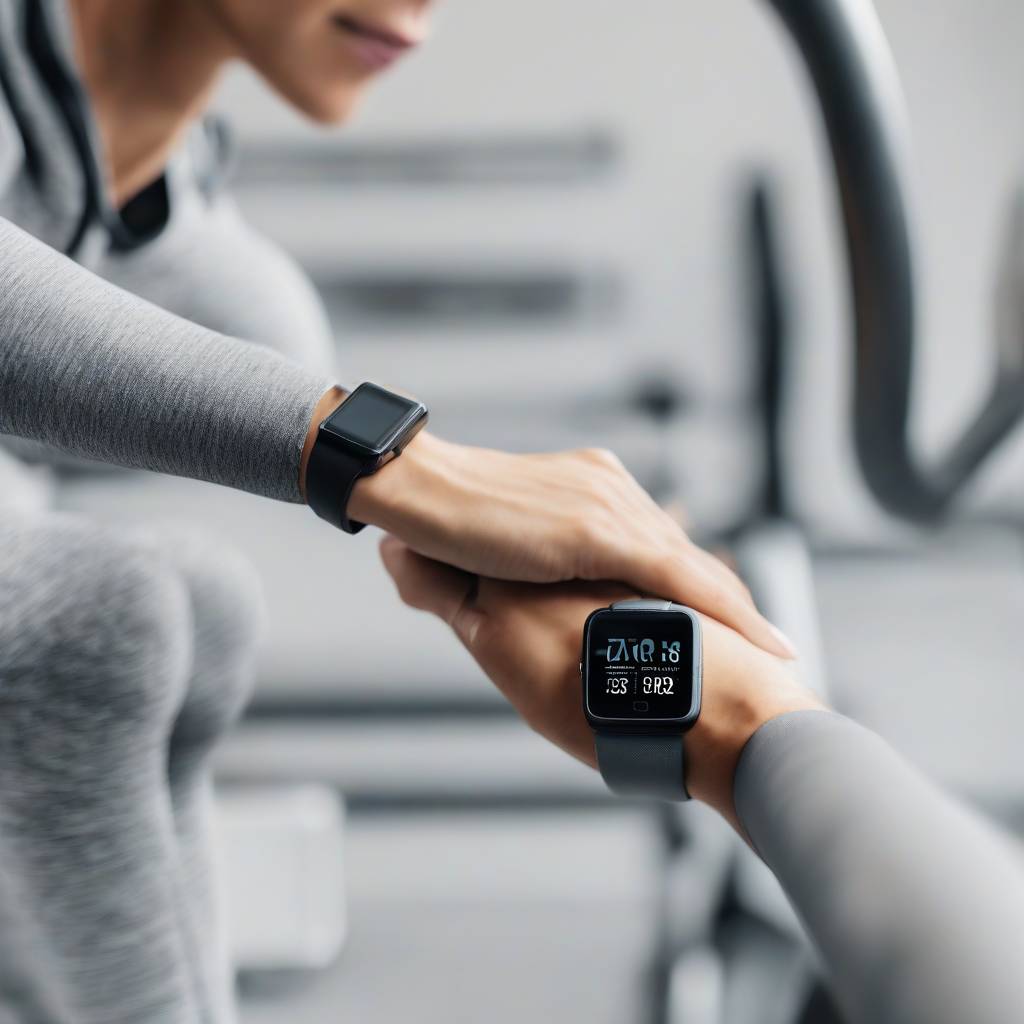
A common mistake is buying a fully loaded powerhouse when a simpler device would do the job just fine. On the flip side, trying to save a few bucks on a basic model only to realize it lacks the advanced metrics you actually need is equally frustrating. Keep your actual routine in mind and let your real habits guide your shopping list right from the start.
Step 2: Factor in Your Water Habits and Swimming Routine
Water resistance sounds simple, but manufacturers use a lot of confusing terminology like ATM ratings and IP codes that can easily trip you up. If you plan to wear your device while doing laps in the pool or open-water swimming, you need something with a genuine 5 ATM rating or higher to withstand the pressure. Anything less might survive a quick splash in the sink, but it won't handle active swim strokes for very long.
Look closely at how the interface behaves when submerged or wet, because capacitive touchscreens often go haywire under water. The best waterproof fitness tracker for swimming will usually lock the screen automatically or offer physical buttons so you can control your session without fussing with ghost touches. Make sure the band material is chlorine-resistant too, or you'll be replacing silicone straps every few months.
Heart rate tracking has come a long way, but modern wearables can do so much more than just count your beats per minute during a heavy lifting session. If you want a deeper look at your overall cardiovascular health, you'll want to explore the top fitness trackers with ECG and blood pressure monitor capabilities built right into the wristband. These clinical-grade sensors help you spot irregularities early and give you peace of mind throughout a stressful workday.
Keep in mind that these advanced health sensors often require a bit of patience during setup and regular calibration to stay accurate. They aren't a direct replacement for professional medical equipment, but they act as a fantastic early warning system for your daily wellness. Check user reviews specifically for app stability, because syncing ECG data smoothly to your smartphone makes all the difference.
Step 4: Audit Your Daily Schedule to Gauge Battery Needs
Battery anxiety is real, and the last thing you want is another gadget that needs to be plugged in every single night alongside your phone. If you hate charging routines, prioritize finding the best fitness tracker for long battery life so you can cruise through a full week or more on a single charge. Devices with power-hungry color displays and continuous GPS tracking will drain much faster, while simpler monochrome screens or smart bands stretch that power way further.
Think honestly about when you actually have downtime to charge a wearable device while you shower or sit at your desk. If your schedule is too chaotic for daily charging windows, opt for models that pull off ten to fourteen days between top-ups. Just remember that enabling continuous heart rate monitoring and all-day stress tracking will chip away at those promised battery maximums.
You don't need to drop a massive chunk of your paycheck to get a reliable companion for your daily workouts and wellness journey. The best budget fitness tracker under 100 dollars can easily handle basic step counting, sleep stages, and casual workout tracking without feeling cheap or flimsy. Brands have gotten really good at packing essential sensors into affordable hardware, so you get solid value without paying for luxury branding.
Watch out for hidden subscription costs when buying cheaper models, because some budget brands lock their best analytics behind a monthly paywall. Read the fine print to see if the companion app requires an ongoing fee to view your historical data or personalized coaching insights. A slightly higher upfront price with a free app is often a much better long-term deal.
Step 6: Prioritize GPS Accuracy and Deep Sleep Analysis
If your weekly routine involves logging miles on the pavement or winding trails, accurate route mapping is an absolute must-have feature. The best fitness tracker for running and sleep tracking will feature built-in multi-band GPS so you don't have to lug your heavy smartphone along on every jog. Reliable satellite connection means your pace and distance data stay crisp, even when you're weaving through tall buildings or heavy tree cover.
On the flip side, nighttime recovery is just as important as daytime sweat sessions, so check the sleep algorithm depth before buying. A quality wearable should automatically detect your light, deep, and REM sleep cycles without requiring you to manually tap a bedtime mode. Look for morning readiness scores that synthesize your rest data into a single, easy-to-read metric to guide your workout intensity.
Step 7: Test the Companion Smartphone App Interface
The physical wearable on your wrist is only half the equation, since you'll spend most of your data-reviewing time inside the companion mobile app. A cluttered, buggy app can turn a great piece of hardware into a daily annoyance that you eventually stop checking altogether. Look for clean layouts, intuitive charts, and easy navigation that lets you drill down into your weekly trends without digging through endless menus.
Check if the device plays nicely with your specific phone operating system, whether you're rocking an iPhone or a recent Android model. Seamless notification syncing and music controls are great bonuses, but data reliability is what truly matters most. Spend a few minutes reading app store reviews to see if recent software updates have introduced annoying bugs or connection drops.
Step 8: Check Strap Comfort, Materials, and Customization
You'll likely be wearing this gadget twenty-four hours a day, meaning comfort is just as crucial as internal tech specs. Avoid stiff, abrasive plastics that trap sweat and cause skin irritation during long workouts or humid summer days. Breathable silicone bands, woven nylon loops, and lightweight aluminum cases make it easy to forget you're even wearing anything on your wrist.
Accessibility matters too, so check how easy it is to swap out bands for different occasions or workout styles. A quick-release pin system lets you transition from a sweaty gym band to a sleek leather strap in seconds. Finding a style you genuinely enjoy wearing makes consistency so much easier to maintain over the long haul.