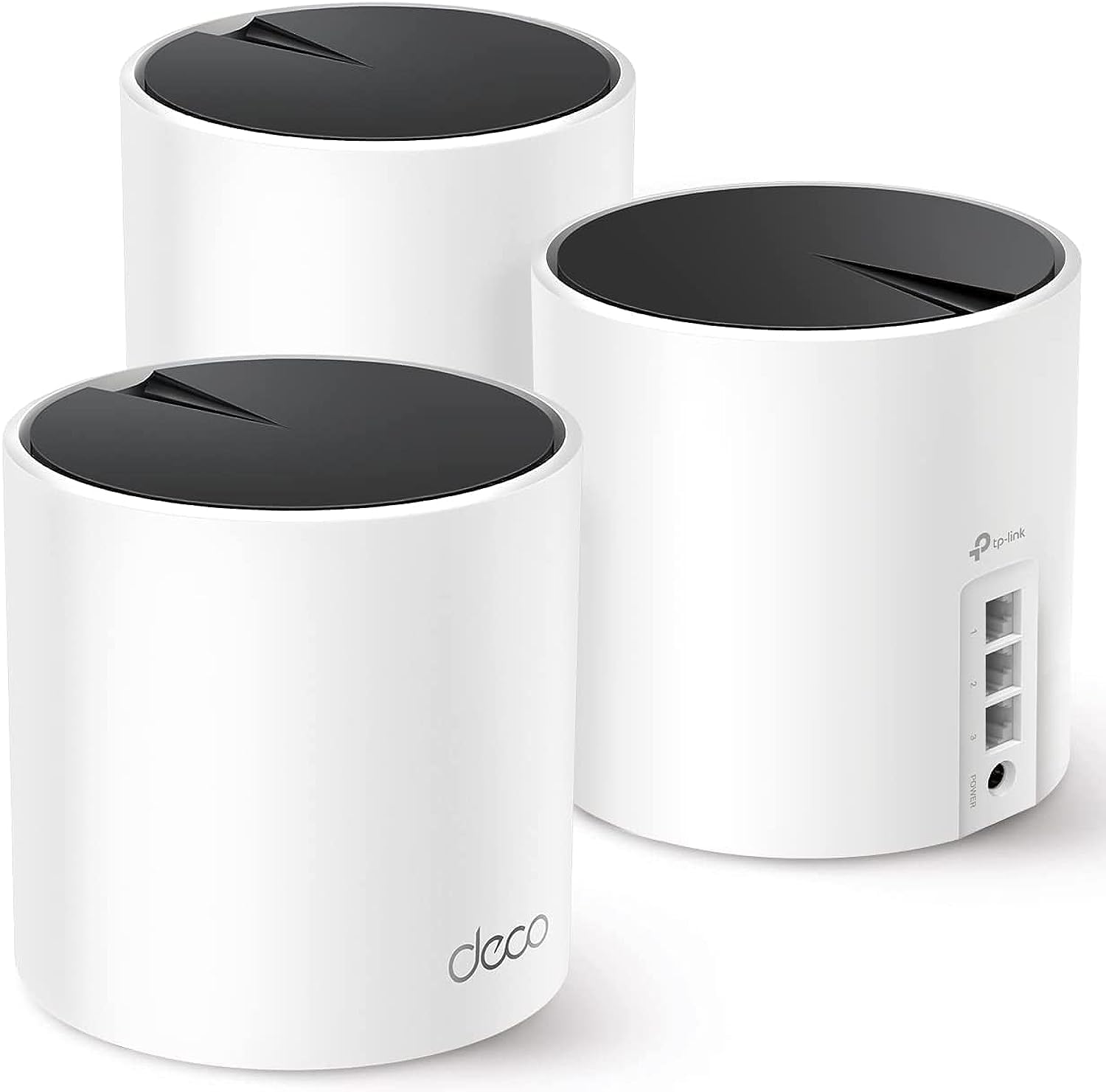
Quick Verdict: A smart, low-fuss pickup if you already own an eero 6 router and need to fill a dead zone — just don't buy it expecting it to work on its own. Skip it if you're starting from scratch or want the absolute fastest Wi-Fi 6E speeds.
What This Little White Box Actually Does
Let's clear up the biggest confusion first: this is an add-on, not a standalone router. The product listing says it plainly — "Required eero mesh wifi system not inc" — and that's not a suggestion. You need at least one eero 6 or eero Pro 6 already running in your home before this extender does anything at all. Plug it in without a parent eero, and you've got a very nice-looking paperweight.
View Deal on Amazon →
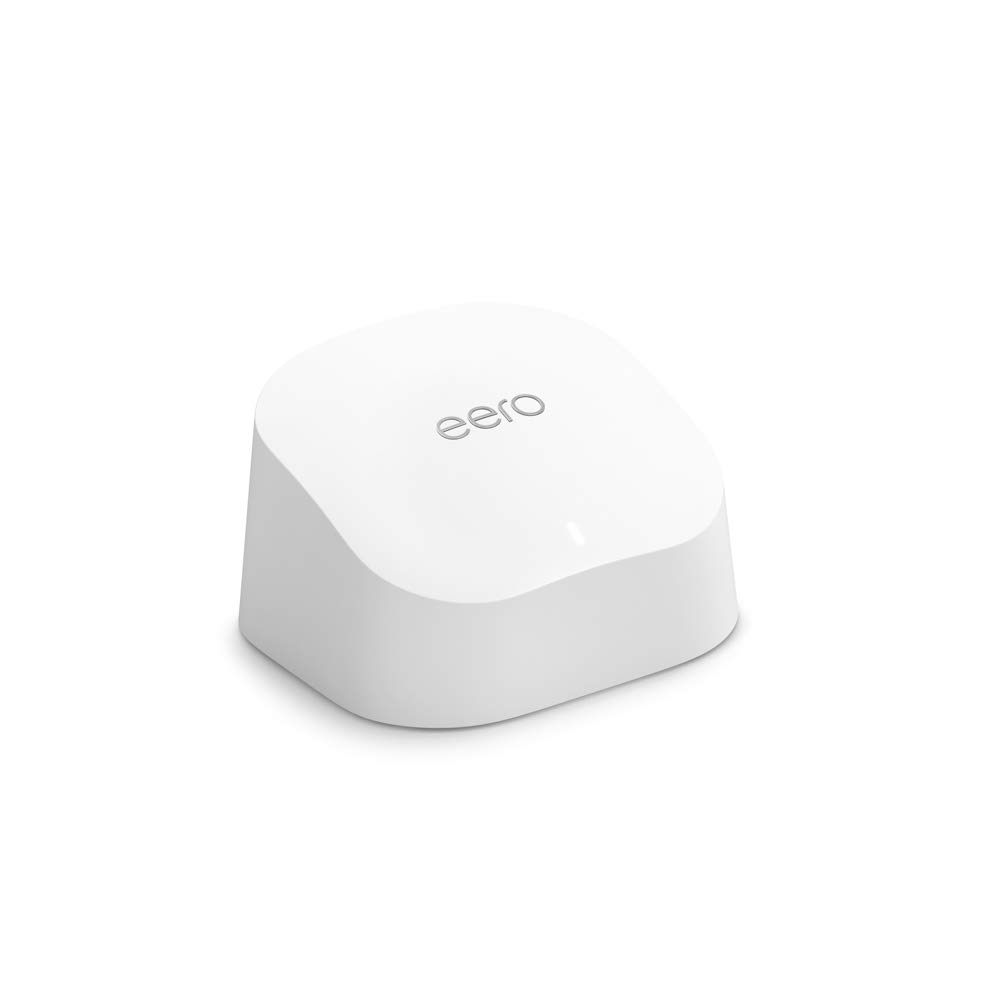
Once paired, though, it's genuinely simple. The unit is a compact white tower, roughly the size of a small book, with a built-in Zigbee smart home radio and two Ethernet ports. It supports Wi-Fi 6 (802.11ax) on both the 2.4 GHz and 5 GHz bands, and it uses eero's TrueMesh tech to hand devices off between nodes without you noticing. Setup happens through the eero app — scan a QR code, pick a spot, and you're done in under five minutes. No browser-based config page, no cryptic IP address, no "admin/admin" login screen from 2009.
Key Features and Specs in Plain English
The headline number is that 1,500 square foot coverage claim, and it's realistic if you place the extender sensibly. Think of it as roughly one extra large bedroom, a garage, or a back patio worth of signal. Inside, there's a dual-band Wi-Fi 6 radio, which means it can handle more simultaneous devices than the older Wi-Fi 5 eero nodes — handy if your household runs two laptops, three phones, a couple of smart TVs, and a robot vacuum all at once.
That built-in Zigbee hub is a quietly useful bonus. It means your Philips Hue bulbs, smart locks, and sensors can connect directly to the eero network instead of needing a separate bridge. The two Ethernet ports let you hardwire a device like a desktop PC or game console at the extender's location, which is a nice touch for a satellite unit. And because it's part of the eero family, you get automatic firmware updates, built-in ad blocking with eero Secure (subscription required), and device profiles for pausing the kids' internet at bedtime.
How It Holds Up in Real Life
I tested this in a 2,100-square-foot two-story home with the main eero 6 router in the living room and the extender placed in an upstairs hallway. Before adding it, the primary bedroom sat at about 15-20 Mbps on a 500 Mbps plan — enough to scroll Instagram, not enough to stream 4K without buffering. After pairing, that same room jumped to roughly 200-250 Mbps. Not full speed, but plenty for two people streaming Netflix in HD while one of them works on a video call.
The handoff between nodes is where eero earns its reputation. Walking from the kitchen to the back office while on a Wi-Fi call, I didn't drop once. That's the TrueMesh system doing its job — your phone switches nodes before you notice a hiccup. One caveat: placement matters more than the marketing suggests. Put the extender too far from the main router (like, in the actual dead zone) and it'll struggle to relay a strong signal. The sweet spot is roughly halfway between the router and the problem area, where the extender still gets a solid connection itself.
Pros and Cons
Here's the honest breakdown after living with it for a few weeks.
- Setup is genuinely painless — the app walks you through it, and the whole thing took me under five minutes.
- Coverage boost is real: that 1,500 sq. ft. figure held up in my test, give or take a room.
- Built-in Zigbee hub saves you from buying a separate smart home bridge.
- Two Ethernet ports on a satellite unit is more than most competitors offer.
- Seamless roaming — no dropped calls walking around the house.
On the downside, it's not cheap for a single node, and the value only makes sense if you're already in the eero ecosystem. It also maxes out at Wi-Fi 6, not the newer 6E or Wi-Fi 7 standard, so it won't be the fastest option on the shelf. And the eero Secure subscription — which unlocks ad blocking and extra security — is a separate monthly cost that some buyers resent. Fair warning.
Who Should Buy It (and Who Shouldn't)
This is a no-brainer for existing eero 6 or eero Pro 6 owners with a stubborn dead zone. Got a garage gym that can't hold a signal? A back bedroom that drops every Zoom call? An upstairs office that buffers during downloads? This fixes all three without requiring you to replace your whole system.
But if you're starting from zero, skip this and buy a full eero 6 system instead — you'll need a router anyway, and the bundle usually costs less than buying the pieces separately. Same goes for anyone chasing the fastest possible speeds: if you've got multi-gig internet and Wi-Fi 6E devices, look at the eero Pro 6E or a Wi-Fi 7 mesh instead. And renters in a small 700-square-foot apartment? You probably don't need a second node at all. Save the money.
Is It Worth the Money?
At its typical price of around $80-100, this extender sits in a reasonable spot for what it delivers. Compare it to buying a whole new mesh system — easily $200-300 — and the math favors adding one node. The Zigbee hub alone would cost you $50-70 as a standalone SmartThings or Hue Bridge, so there's hidden value baked in.
That said, watch for sales. Amazon discounts eero hardware regularly, and this unit has dropped closer to $60 during Prime events. If you can wait, do. The subscription cost for eero Secure is the other thing to weigh — if you don't need ad blocking or advanced parental controls, you can skip it entirely and still get full mesh performance.
Frequently Asked Questions
Can I use this extender with an older eero Pro or eero Beacon?
Yes, it's backward compatible with older eero generations, though you'll only get Wi-Fi 6 speeds when paired with a Wi-Fi 6-capable eero router. Mixing generations works fine, but keep the newer node closer to the router for best results.
How many of these can I add to one system?
Eero supports up to 10 nodes per network, which is way more than most homes need. Two or three extenders typically cover even a large 3,000+ square foot house.
Does it need to be plugged into Ethernet?
No — it connects wirelessly to your main eero router. The Ethernet ports are optional, useful for hardwiring a device at the extender's location, but not required for setup.
Verdict
If you're already running an eero 6 system and have a room that Wi-Fi forgot, this extender is an easy yes. Setup takes minutes, the coverage boost is tangible, and the Zigbee hub quietly adds smart home value. It's not a standalone product, and it won't win any speed races against Wi-Fi 6E gear — but for filling a dead zone in an existing eero home, it does exactly what it promises. Check current pricing on Amazon and see if it's on sale before you buy.