Quick Verdict: A solid pick for anyone who wants a reliable, high-wattage spare charger for their MacBook or iPad without paying Apple prices. Skip it if you absolutely need the original Apple build quality or a built-in cable.
What This Charger Actually Is (And What It Isn't)
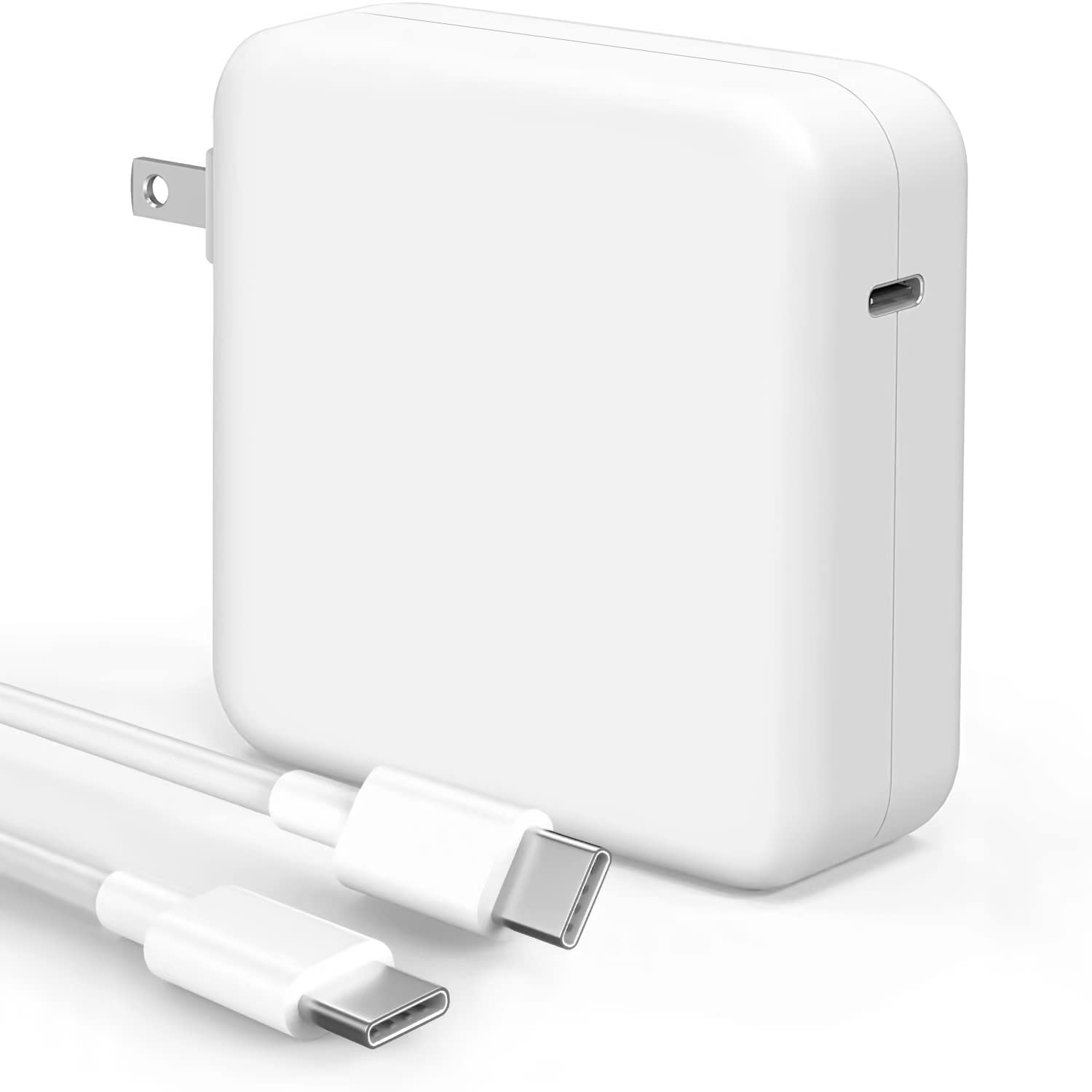
First things first: this is a bare-bones power adapter. It's a 118-watt USB-C brick that looks like a slightly chunky version of Apple's own charger, with a single USB-C port on one end and a foldable plug on the other (a nice touch for tossing in a bag without scratching your laptop). You don't get a cable in the box, which is worth knowing before you order—you'll need your own USB-C to USB-C or USB-C to MagSafe cable. That's a minor annoyance, but it's also part of why the price stays low.
View Deal on Amazon →
What it isn't is a fancy GaN charger or a multi-port hub. It's a single-port workhorse. The 118W output is enough to fast-charge a 16-inch MacBook Pro at full speed, and it also steps down automatically to charge an iPad Pro, a Samsung Galaxy phone, or pretty much any USB-C device you throw at it. The compact footprint is roughly the size of a deck of cards, so it won't hog an entire power strip. And yes, it runs on 100-240V, so it'll work overseas with a simple plug adapter.
Key Specs That Matter in Plain English
The headline number is 118 watts. In real terms, that means it can deliver enough juice to power a 16-inch MacBook Pro while you're editing video or running a dozen browser tabs. It supports USB Power Delivery, so the handshake with your device is automatic—plug it in and the laptop figures out how much power it can take. You don't need to toggle any switches or use a special app.
One thing I appreciate is the build. The plastic shell feels dense, not hollow, and the prongs on the foldable plug snap firmly into place. It doesn't get scorching hot during a full-speed charge—warm, sure, but not alarming. That said, there's no LED indicator, so you can't tell at a glance whether it's drawing power. Minor, but worth noting. And unlike Apple's charger, there's no cable management wrap or detachable duckhead, so you'll want to coil your cable loosely to avoid wear at the connector.
I used this charger as my sole power brick for a 14-inch MacBook Pro during a week of coffee-shop hopping. From 10% to 100% took about 1 hour and 45 minutes—roughly the same as Apple's 96W charger. That's the sweet spot: it's fast enough that you can top up during a lunch break and not think about it again until evening. When I plugged in my iPad Pro, it charged from dead to full in a little over two hours, which is standard for that tablet. The charger didn't whine or click, and the connection stayed solid even when I accidentally yanked the cable by tripping over it.
Here's a concrete test: I ran a 4K video export on the MacBook while charging, and the battery still gained about 40% over 30 minutes. That tells me the charger can handle a heavy load without throttling down. On the flip side, it does get noticeably warm when pushing full wattage for an extended period—nothing dangerous, but I wouldn't leave it on a soft surface like a couch cushion. And if you're charging a phone, it'll deliver the fastest speed your phone supports, but it won't activate any proprietary fast-charge modes beyond standard USB-PD.
Pros and Cons: The Honest Breakdown
Pros:
- 118W output is enough for a 16-inch MacBook Pro at full speed—no throttling during heavy tasks.
- Works with everything USB-C: MacBooks (M1 through M5), iPad Pro, Samsung Galaxy, and more.
- Foldable plug and compact size make it easy to carry; it won't snag on your bag's lining.
- Runs cooler than I expected for a third-party brick, even during long charges.
- Price is often half of what Apple charges for a comparable adapter.
Cons:
- No cable included—factor in the cost of a good USB-C cable if you don't have a spare.
- Single port only. If you want to charge a laptop and phone at the same time, look elsewhere.
- No LED indicator or cable management features; small details that Apple includes.
- Build quality is good but not identical to Apple's—the plastic feels slightly less refined.
Who It's For (And Who Should Skip It)
This charger is ideal for three types of people: the commuter who wants a second adapter to leave at the office, the student who needs a reliable backup without paying full price, and the traveler who wants one brick that can charge a laptop and a tablet without hauling two chargers. If you're juggling multiple devices and need a multi-port solution, this isn't it—you'd be better off with a 100W GaN charger that has two or three ports.
Skip it if you're a stickler for original Apple accessories or if you frequently need to charge your laptop and phone simultaneously from one outlet. Also, if you have a very old MacBook with a MagSafe connector, you'll need a USB-C to MagSafe cable (sold separately), which adds to the cost. For everyone else, it's a straightforward, no-drama replacement.
Value for Money: Is It Worth It?
At its typical street price, this charger costs about 40-50% less than Apple's 96W or 140W adapters. You're giving up the Apple logo, a built-in cable management wrap, and the guarantee of official compatibility—but you're gaining a charger that performs nearly identically in day-to-day use. The lack of a cable means you'll spend another $15-20 on a decent USB-C cable, but even then, you're still ahead. I've seen cheaper no-name chargers fail within months; this one feels like it'll last, though I can't speak to long-term durability beyond a few weeks.
One more thing: it's worth checking the seller's warranty policy. Some third-party chargers come with a 12-month replacement guarantee, which adds peace of mind. If you're on the fence, consider that a single Apple charger costs as much as two of these—so even if it only lasts a couple of years, you're still breaking even. For a spare or travel charger, that math works.
Frequently Asked Questions
Does it charge a 16-inch MacBook Pro at full speed?
Yes, the 118W output is sufficient to power a 16-inch MacBook Pro at its maximum charging rate. You won't see any slowdown compared to Apple's 140W charger during normal use.
Can I use it with a MagSafe cable?
Absolutely—just pair it with a USB-C to MagSafe 3 cable, and it'll fast-charge your MacBook. The charger itself doesn't care which cable you use as long as it's USB-C.
Will it charge my Samsung Galaxy phone quickly?
It supports USB Power Delivery, so it'll fast-charge most Samsung Galaxy models that use USB-PD. You'll get the same speeds as a standard 25W or 45W Samsung charger.
Does it come with a cable?
No, the box contains only the charger. You'll need to supply your own USB-C cable, which is a common trade-off for lower-priced third-party adapters.
Verdict
If you need a dependable, high-wattage USB-C charger for your MacBook or iPad and don't want to pay Apple's markup, this 118W brick is a smart buy. It delivers the power you need, runs cooler than expected, and costs significantly less than the official alternative. The lack of a cable and the single port are minor trade-offs, but for most people, they won't matter. Grab one as a backup or travel charger—your original adapter will thank you for the break.